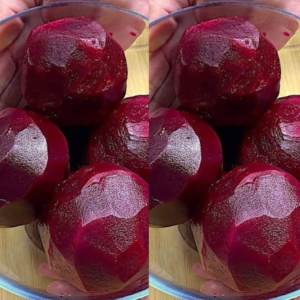
Increasing the amount of collagen your body produces naturally can play an important role in supporting healthy-looking skin and overall well-being. Collagen is a structural protein found throughout the body, and nutrition is one of the factors that helps provide the nutrients needed for its normal production. One colorful ingredient that can easily become part of an evening meal is beetroot.
Beetroot contains vitamin C, naturally occurring nitrates, antioxidants, and other nutrients. Vitamin C is particularly relevant because the body needs it for normal collagen formation. Rather than thinking of beetroot as a direct source of collagen, it is more accurate to view it as a nutritious food that can contribute to a balanced diet containing nutrients involved in normal collagen production.
Its naturally sweet, earthy flavor also makes beetroot surprisingly versatile. It can be turned into juice, roasted for a hearty salad, blended into a creamy smoothie, or cooked into a smooth warming soup. These four simple recipes offer different ways to enjoy beetroot in the evening without making your routine complicated.
Why Is Beetroot Good for Collagen Support?
Beetroot provides vitamin C along with antioxidants and naturally occurring plant compounds. Vitamin C contributes to normal collagen formation, while a varied diet rich in fruits and vegetables supplies the body with a broad range of nutrients needed for normal everyday functions.
Collagen helps provide structure to the skin and other tissues. Although eating a single food cannot guarantee dramatic changes in collagen levels or completely prevent normal signs of aging, regularly including nutrient-rich foods such as beetroot can be part of a balanced approach to supporting skin health.
Beetroot is also easy to combine with other ingredients already included in these recipes. Carrots, apples, berries, bananas, leafy salad greens, potatoes, walnuts, and other components create meals and drinks with contrasting flavors, textures, and colors.
Beetroot Recipes to Support Collagen Production
1. Beetroot Juice
This vibrant beetroot juice combines the earthy sweetness of beetroot with carrot, apple, and a small amount of ginger. The apple adds natural sweetness, the carrot rounds out the flavor, and the ginger gives the drink a gently warming finish.
Because the recipe contains only four ingredients, the quality and freshness of each one can be clearly tasted. Preparing the ingredients carefully before juicing also helps the finished drink come out smooth and pleasant.
Ingredients
- 2 medium beetroots
- 1 carrot
- 1 apple
- A small piece of ginger
Instructions
- Clean all of the ingredients thoroughly so that any visible dirt is removed from their surfaces.
- Remove the skin from the beetroots, carrot, apple, and ginger as directed in the original preparation.
- Cut the ingredients into pieces suitable for your juicer so they can pass through it easily.
- Juice the beetroot, carrot, apple, and ginger, allowing the different juices to combine into one brightly colored drink.
- Stir the finished juice gently if necessary so that the flavors are evenly distributed.
- Enjoy the juice in the evening as a nutrient-rich addition to your usual routine.
The beetroot creates the dominant earthy flavor, while the apple helps soften it with sweetness. The carrot contributes additional sweetness and body, and the ginger provides a sharper contrast that prevents the drink from tasting flat.
For the best drinking experience, serve the juice soon after making it. Its fresh flavor is one of the main attractions of this simple recipe.
2. Salad with Baked Beets
If you prefer something more substantial than juice, roasted beetroot makes an excellent base for a satisfying salad. Baking softens the beetroot and brings out its naturally sweet character while still allowing it to retain enough texture to work well with crisp salad greens.
The contrast is what makes this dish particularly appealing: warm or cooled roasted beetroot, fresh greens, creamy crumbled feta cheese, and crunchy walnuts create several different textures in every serving.
Ingredients
- 2 beetroots
- 1 tablespoon olive oil
- Salt
- Salad greens
- Feta cheese
- Walnuts
Instructions
- Preheat the oven to 400°F (200°C).
- Prepare the beetroots and cut them into small pieces of relatively even size. Keeping the pieces similar in size helps them cook more evenly.
- Place the beetroot pieces with the olive oil and salt, making sure the pieces are lightly coated.
- Arrange them for baking and place them in the preheated oven.
- Bake for around 30 minutes, or until the beetroot pieces are soft enough to eat comfortably.
- Check their texture toward the end of baking. They should be tender rather than hard in the center.
- Combine the cooked beetroot with the salad greens.
- Add the crumbled feta cheese and walnuts.
- Finish with a little more olive oil on top and serve as a filling meal.
The roasting step is especially important because raw and roasted beetroot have noticeably different textures. Baking gives the vegetable a softer consistency and emphasizes its natural sweetness, which works well against the salty character of feta.
Try to avoid cutting some beetroot pieces much larger than others. Uneven pieces can result in smaller pieces becoming very soft while larger ones remain firm.
3. Beetroot and Berry Smoothie
This smoothie combines beetroot with berries, banana, and almond milk. It is naturally colorful, smooth, and easy to prepare, making it suitable as an after-dinner drink or simple evening dessert.
The banana provides body and helps create a creamy texture. The berries contribute fruity flavor and antioxidants, while the almond milk provides enough liquid for the ingredients to blend together smoothly.
Ingredients
- 1 small beet
- ½ cup different berries
- 1 banana
- 1 cup almond milk
Method
- Prepare the beet so that it is ready to blend.
- Add the beet, berries, banana, and almond milk to the blender.
- Blend the ingredients until the mixture becomes smooth and the beetroot is fully incorporated.
- Pause if necessary to make sure no larger pieces remain before blending again.
- Pour into a glass and serve as an evening smoothie, dessert, or after-dinner drink.
A properly blended smoothie should have a consistent texture without obvious pieces of beetroot or banana. The banana helps balance beetroot’s stronger earthy flavor, while the berries give the drink a brighter fruit character.
Because all four ingredients contribute to both flavor and consistency, it is best to keep the proportions given in the original recipe. Adding substantially more liquid, for example, would change the thickness of the smoothie.
4. Beetroot Soup
For evenings when you prefer a warm meal, beetroot soup offers another simple way to use this vegetable. Beetroots, potato, and onion are cooked together in vegetable broth until tender and then blended into a smooth soup.
The potato helps give the soup body, while the onion contributes a savory background flavor. Beetroot remains the central ingredient, giving the finished soup its distinctive color and earthy sweetness.
Ingredients
- 2 red beets
- 1 potato
- 1 onion
- Vegetable broth
- Salt
- Pepper
- Cream, if desired
Instructions
- Peel and cut the beets, potato, and onion.
- Place the onion in a pot and cook it until it becomes translucent. At this stage, the onion should look softened rather than deeply browned.
- Add the beetroot and potato to the pot.
- Pour in enough vegetable broth to cover the vegetables as described in the original preparation.
- Bring the contents of the pot to a boil.
- Continue cooking until the beetroot and potato are soft.
- Check that the vegetables are tender before blending. Properly softened vegetables will produce a smoother soup.
- Blend the mixture until the soup reaches a smooth, even consistency.
- Season with salt and pepper according to your preference.
- If desired, drizzle a little cream over the finished soup before serving for additional richness.
The most important part of this recipe is giving the vegetables enough time to soften before blending. Trying to blend pieces that are still firm can leave the soup less smooth than intended.
Once blended, the soup should have a rich red color and a creamy appearance even before optional cream is added. The potato naturally contributes thickness, while the beetroot gives the soup its characteristic flavor.
If cream is used, it should complement rather than overpower the beetroot. A small drizzle on the finished bowl adds richness while still allowing the vegetable flavor to remain noticeable.
Different Ways to Include Beetroot in an Evening Meal
One advantage of these recipes is that they show how the same vegetable can be used in very different forms. You do not have to prepare beetroot the same way every night to include it regularly in your meals.
- Beetroot juice offers a fresh and straightforward option made with carrot, apple, and ginger.
- Baked beet salad is more substantial and combines soft roasted beetroot with fresh greens, feta, and walnuts.
- Beetroot and berry smoothie provides a fruity, creamy option that works well after dinner.
- Beetroot soup offers a warm, savory alternative for evenings when you want something comforting.
Rotating between these preparations can also help keep meals varied. Someone who does not particularly enjoy beetroot juice, for example, may prefer its sweeter roasted flavor or the smoother texture of beetroot blended into soup.
Tips for Preparing Beetroot Successfully
Although each recipe uses beetroot differently, a few basic preparation principles apply throughout.
- Clean the beetroot thoroughly. This is especially important before peeling or cutting it.
- Cut pieces evenly when baking or cooking. Similar-sized pieces are more likely to become tender at approximately the same time.
- Cook until tender when required. Both the roasted salad and soup rely on properly softened beetroot for the intended texture.
- Blend thoroughly. For the smoothie and soup, smoothness is part of the finished dish, so continue blending until noticeable chunks are gone.
- Balance the earthy flavor. The recipes already do this naturally with ingredients such as apple, berries, banana, feta, onion, and optional cream.
Beetroot has a distinctive flavor, but each of these combinations presents it differently. This is useful for anyone who wants to include it more often without eating exactly the same dish repeatedly.
Advantages of Adding Beetroot to Your Meals
Supports Normal Collagen Formation
Beetroot contains vitamin C, a nutrient required for normal collagen formation. Collagen contributes to the normal structure of skin and other tissues, which is why vitamin C-containing foods can be a useful part of a varied diet.
However, no single recipe should be expected to transform the skin on its own. The more realistic benefit comes from incorporating nutrient-rich foods into an overall balanced eating pattern.
Provides Iron
Beetroot also contains iron. Iron is important for normal red blood cell formation and oxygen transport in the body. Including a range of foods that provide essential nutrients can therefore support overall nutrition as well as normal body functions.
Provides Antioxidant Plant Compounds
Beetroot is known for naturally occurring antioxidants and plant compounds. These compounds are part of the vegetable’s nutritional profile and are another reason beetroot can be included as one component of a varied diet rich in plant foods.
Rather than relying on exaggerated promises about a single ingredient, the practical value of beetroot is its combination of nutrients, versatility, and ability to fit into many types of meals.
How to Choose the Right Recipe for the Evening
The best recipe depends largely on what you feel like eating. If you want something light and drinkable, the juice or smoothie may be the easiest choice. If you need a more substantial dish, the baked beet salad offers a mixture of vegetables, cheese, and walnuts. When you want something warm, the soup provides a simple alternative.
The recipes also differ in texture. Juice is thin and refreshing, the smoothie is thicker and creamier, the salad combines tender and crunchy components, and the soup is smooth and warming. This variety can make it easier to enjoy beetroot regularly without becoming tired of one preparation.
Serving and Make-Ahead Notes
The beetroot juice and smoothie are best enjoyed with their fresh flavors and smooth textures intact. Preparing the ingredients before blending or juicing can make the evening routine faster, while the final drink can still be made close to serving time.
The baked beetroot for the salad can be allowed to cool before being combined with the greens, feta, and walnuts if you prefer a cooler salad. Keeping the components separate until serving also helps preserve the contrast between the softer beetroot and fresher greens.
The beetroot soup naturally suits advance preparation because the cooked vegetables are blended into one smooth mixture. When serving it again, heat it gently until it is warmed through and add the optional cream at serving time.
Common Preparation Mistakes to Avoid
- Leaving roasted beetroot too firm: The beet pieces should be tender after baking so they blend naturally with the other salad ingredients.
- Using very uneven pieces: Different sizes can cook at different rates in both the salad and soup recipes.
- Stopping the blender too early: Both the smoothie and soup are intended to have smooth textures.
- Overpowering the beetroot: The supporting ingredients are intended to complement its flavor rather than completely hide it.
- Expecting one food to provide immediate results: Nutritional benefits are best considered as part of consistent, balanced eating rather than as an instant solution.
Final Thoughts
Adding beetroot to your evening meals can be a flavorful and practical way to increase the variety of nutrient-rich vegetables in your diet. Its vitamin C content is relevant to normal collagen formation, while its antioxidants and other nutrients make it a useful ingredient in a balanced eating pattern.
These four recipes also demonstrate how flexible beetroot can be. It can become a fresh juice with apple, carrot, and ginger; a roasted salad with feta and walnuts; a creamy smoothie with berries and banana; or a smooth soup made with potato and onion.
You do not need to prepare every recipe at once or eat beetroot in exactly the same form every evening. Choose the preparation that fits your appetite and routine, and use these ideas as simple ways to bring more variety to your meals.
With straightforward ingredients and familiar preparation methods, beetroot can become an easy addition to an evening menu while contributing useful nutrients to an overall balanced diet.
Enjoy!