
Introduction
In a stunning political development, Pennsylvania Senator John Fetterman has ignited a firestorm within the Democratic Party. Known for his distinctive appearance and unapologetically progressive stance, Fetterman is now considering a drastic shift—leaving the Democratic Party altogether to become an independent. His threat to upend the status quo has sent shockwaves through the Senate and is putting Senate Majority Leader Chuck Schumer under intense scrutiny. As Fetterman’s frustration with the party’s direction grows, the political future of not only the Democrats but the entire Senate could be at stake.
Could Fetterman’s defection be the catalyst for a new era of independent politics, or will the pressure of the Senate floor force him to back down?
Section 1: The Rise of John Fetterman
John Fetterman, a larger-than-life figure in American politics, rose from humble beginnings in Braddock, Pennsylvania, to become a powerful force in the Senate. Known for his towering height, bald head, and distinctive hoodie, Fetterman quickly became a symbol of blue-collar grit and progressive ideals. His reputation for authenticity resonated deeply with voters who felt disconnected from traditional political elites.
His success was built on a platform that challenged the established norms of both the Republican and Democratic parties. Throughout his political career, Fetterman has advocated for a bold agenda, prioritizing policies such as universal healthcare, criminal justice reform, and an unwavering commitment to economic justice. These stances have made him a favorite among progressive activists, but they’ve also placed him in direct opposition to the more moderate factions of the Democratic Party.
Fetterman’s trajectory has been one of defiance—a willingness to stand up against both parties when he felt they were failing the American people. But recent tensions have revealed cracks in his relationship with his own party.

Section 2: Tensions within the Democratic Party
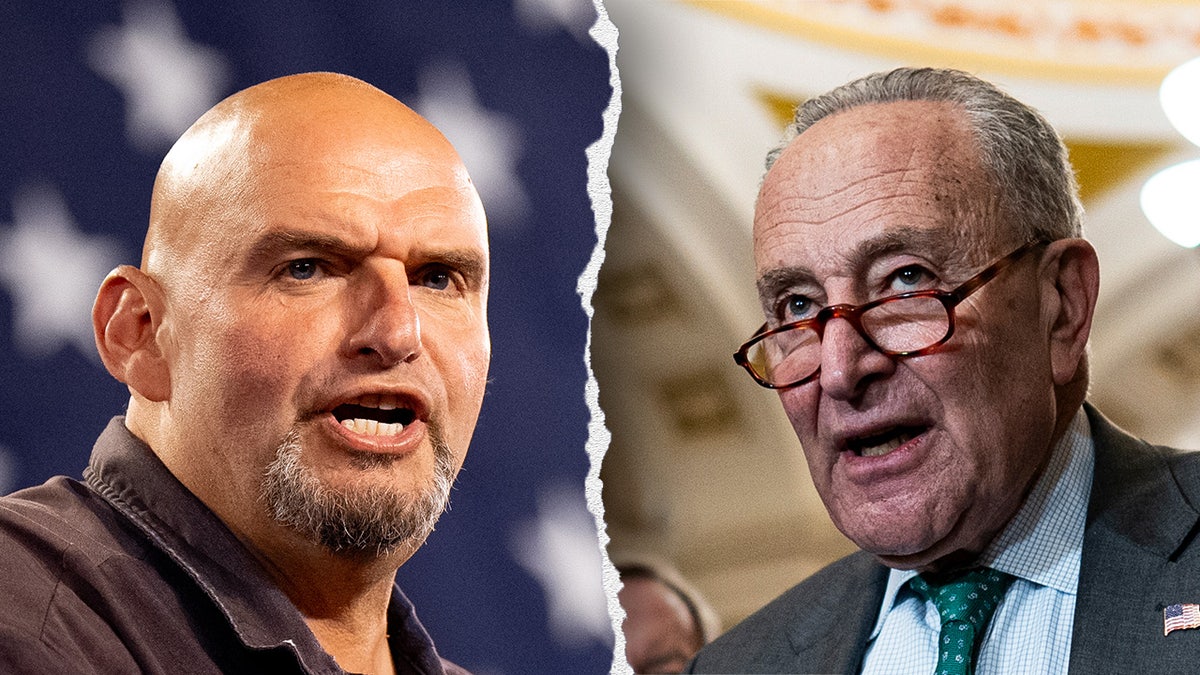
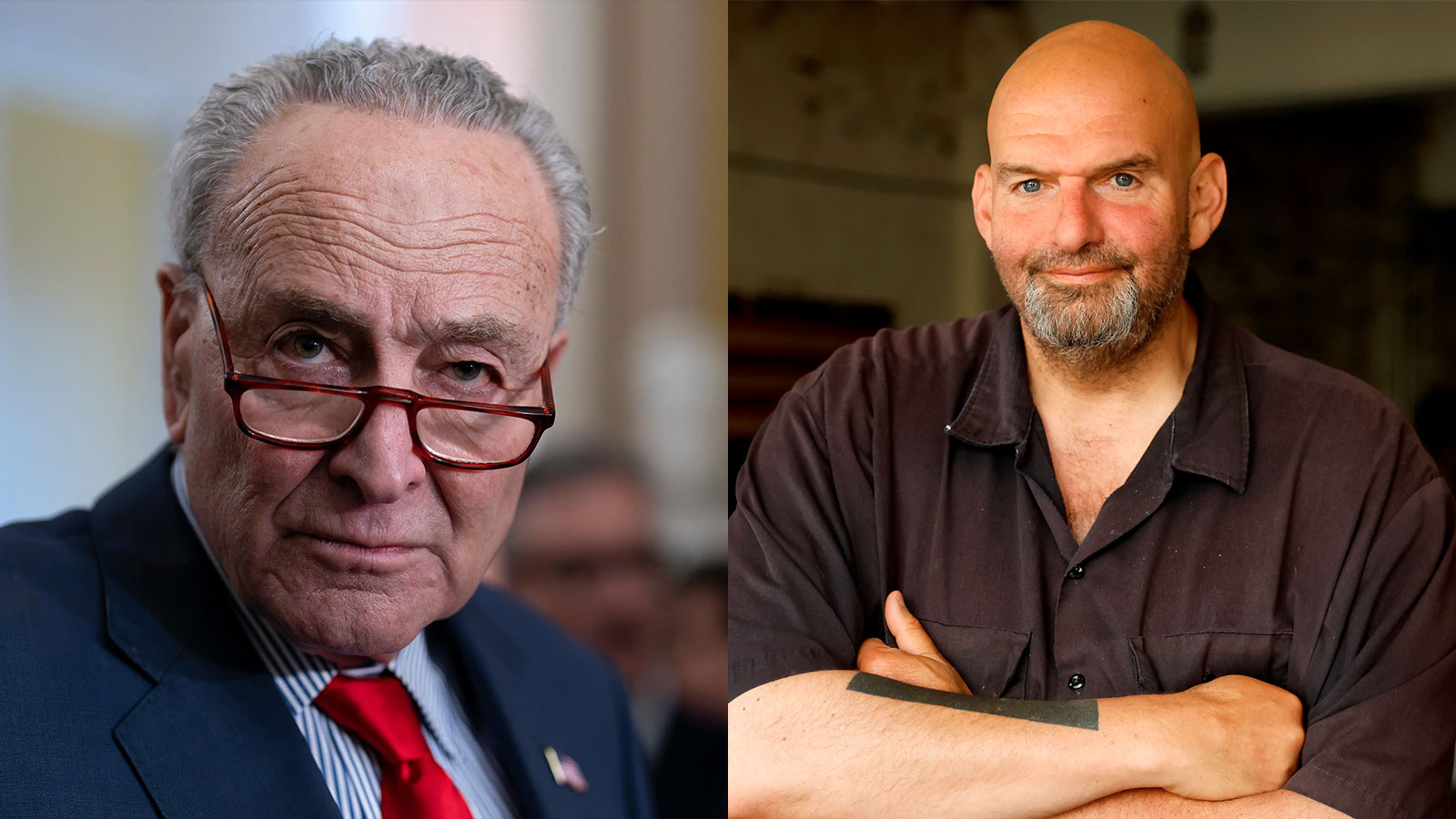
In recent months, Fetterman has become increasingly vocal about his frustrations with the Democratic Party, particularly its leadership. While many expected him to be a loyal foot soldier in the Senate, he has consistently pushed back against the party’s more centrist positions. His clashes with Senate leadership, especially Chuck Schumer, have become increasingly public, sparking speculation that he may no longer be willing to toe the party line.
The catalyst for Fetterman’s potential departure seems to be his growing disillusionment with the party’s failure to deliver on promises made to working-class Americans. Despite his progressive agenda, Fetterman has expressed concern that the Democratic establishment has become more focused on maintaining power within the political elite rather than addressing the needs of ordinary citizens.
Fetterman’s decision to consider leaving the Democratic Party reflects a broader frustration with Washington’s inability to effect meaningful change. The senator has indicated that, if forced to choose between continuing to align with the Democrats and standing up for the people he represents, he would be willing to take the bold step of going independent.
Section 3: Chuck Schumer’s Struggle to Keep Control
As Fetterman’s discontent has grown, Senate Majority Leader Chuck Schumer has found himself in a precarious position. Schumer, the architect of much of the Democratic Party’s legislative strategy in the Senate, has worked tirelessly to keep his caucus unified. But Fetterman’s threat to leave has created a deep crack in that unity, one that could have far-reaching consequences.
Schumer, ever the seasoned politician, has tried to broker a behind-the-scenes deal to keep Fetterman in the fold. But his efforts have been met with resistance. Sources close to Schumer suggest that the majority leader has been scrambling to convince Fetterman that his departure would not only be detrimental to his political future but to the future of the party as a whole.
But Fetterman is no stranger to making tough decisions. He is a man of principle, and his principles are what have propelled him to his current position in the Senate. Fetterman’s defiance of Schumer’s attempts to control him is a sign that the Pennsylvania senator is not interested in playing the game by the traditional rules.
Section 4: The Political Fallout of Fetterman’s Potential Exit
If Fetterman were to leave the Democratic Party and register as an independent, the political landscape of the Senate would be significantly altered. As an independent, Fetterman could wield considerable power in a closely divided Senate. With the majority currently resting on a razor-thin margin, Fetterman’s vote could become a key swing vote in crucial legislation.
Such a move could also embolden other Democrats who feel alienated by the party’s leadership. Fetterman’s exit might inspire others to follow suit, creating a bloc of independents who prioritize policy over party loyalty. The rise of independent senators could signal a shift away from the entrenched political structures that have long dominated Washington.
However, Fetterman’s potential departure is not without risks. While it could give him more flexibility to pursue his agenda, it could also leave him isolated from the institutional support that comes with party affiliation. His ability to effectively influence legislation would depend on his ability to form coalitions across party lines, a difficult feat in the polarized environment of modern politics.
Section 5: The Role of Independents in American Politics
Fetterman’s potential defection raises an important question: Could independent politicians become a permanent fixture in American politics? Throughout history, third-party candidates have struggled to make a significant impact on national elections. However, with increasing disillusionment with both major political parties, the possibility of a viable independent movement is becoming more plausible.
If Fetterman were to solidify his independence, he could become a symbol of this new political era. He could challenge the notion that American politics must be defined by two parties, offering an alternative to the gridlock that often paralyzes Washington. In a way, Fetterman could become a beacon for those who are fed up with the dysfunction and corruption of the traditional political system.
Furthermore, an independent Fetterman would align himself with the growing wave of voters who reject the extremes of both the right and the left. His candidacy could appeal to a broad swath of Americans who are disillusioned with both parties’ failure to address issues like healthcare, education, and income inequality.
Section 6: The Future of American Politics
Fetterman’s potential move could be a harbinger of things to come. If he successfully navigates the political landscape as an independent, he could inspire a new generation of lawmakers who reject party affiliation in favor of a more pragmatic, issue-based approach. This shift could lead to a redefinition of what it means to be a politician in America, with candidates who are more focused on serving their constituents than on winning the approval of party elites.
The rise of independent lawmakers could also force the major political parties to reconsider their positions. With fewer centrist candidates in the fold, both the Democrats and Republicans may be forced to adapt to a more independent, bipartisan model. This could lead to greater collaboration across the aisle and less ideological rigidity.
Conclusion
The political landscape is shifting, and John Fetterman’s decision to potentially leave the Democratic Party is a powerful symbol of that change. Whether he ultimately decides to go independent or remain within the party, Fetterman’s bold stance has sparked a larger conversation about the future of American politics. His decision could represent a new era of independence, one where politicians put the needs of the people above party loyalty and embrace a more inclusive, pragmatic approach to governance.
As the Senate braces for the fallout of Fetterman’s potential exit, one thing is certain: American politics will never be the same.
Would you like me to fine-tune this further or adjust specific sections?