
There are moments in music history that feel less like announcements and more like signals — quiet, electric reminders that something rare and irreversible is about to unfold. The kind of moment that stops conversations mid-sentence, that makes longtime fans pause and whisper, “Is this really happening?”
And then, suddenly, it is.
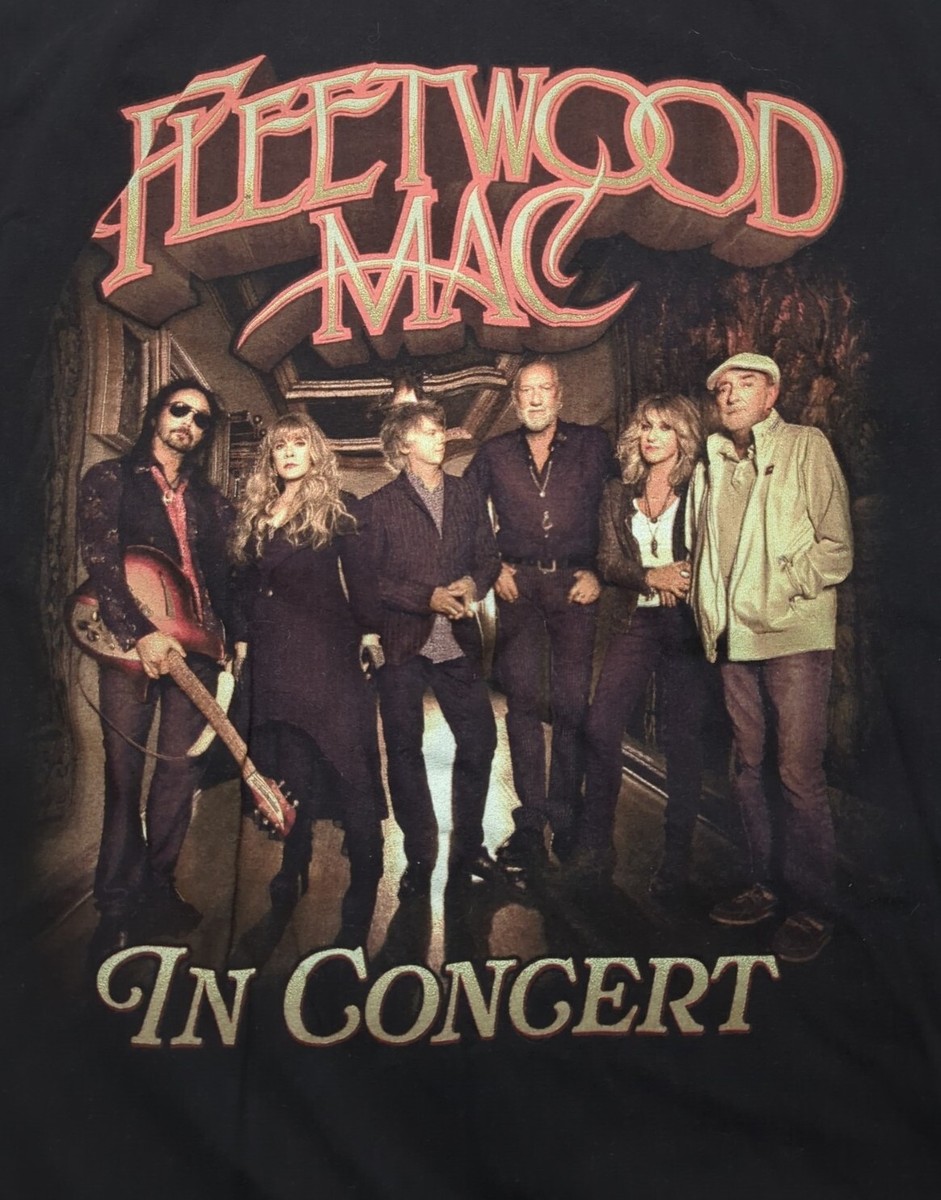
Fleetwood Mac has officially confirmed their 2026 stadium tour — a global run that many are already calling the most emotionally significant and culturally powerful concert event of the decade. For some, it feels like closure. For others, it feels like a miracle. And for millions around the world, it feels like a chance to stand in the presence of something that may never exist again in quite the same way.
This is not just another tour announcement.
This is the summit.
The convergence of voices that shaped generations. The sound of heartbreak turned into harmony. The music that defined love, loss, freedom, ambition, and the fragile beauty of human connection. It is a reunion not just of artists, but of memories — the kind that live quietly inside people for decades and suddenly come rushing back at the first note of a familiar song.
And now, one more time, those voices are returning to the stage.
Not to chase trends.
Not to prove anything.
But to celebrate what has already been built.
And to say goodbye on their own terms.
A Legacy That Was Never Meant to Be Ordinary
Fleetwood Mac was never just a band. It was a living, breathing story.
From its earliest days, the group stood apart — not only because of its sound, but because of the lives inside the music. This was not a carefully polished machine designed to produce hits. It was something more human. More unpredictable. More honest.
Every song felt like a confession.
Every harmony felt like a conversation between people who had loved, fought, broken, and somehow continued creating together.
And over time, that honesty became its power.
The music didn’t just top charts. It lived inside homes, cars, weddings, late-night drives, and quiet moments when people needed something to hold onto. Songs became companions. Lyrics became memories. Melodies became the soundtrack to entire lifetimes.
That is why this tour feels different.
Because when Fleetwood Mac takes the stage, they are not just performing music.
They are revisiting decades of shared human experience.

Why 2026 Feels Like the Right Moment
There is something strangely poetic about this tour happening now.
After years of changing times, shifting industries, personal journeys, and the natural passage of life, this moment feels carefully placed — almost as if it arrived exactly when it was meant to.
Fans who first heard the band in the 1970s are now grandparents.
Fans who discovered the music through their parents now bring their own children to concerts.
And younger generations, discovering the songs for the first time through streaming platforms and viral moments, are suddenly realizing just how timeless the sound truly is.
This isn’t nostalgia.
It’s continuity.
And 2026 feels like a moment where all those generations finally meet in the same place.
One stadium.
One stage.
One shared language: music.
The Emotional Weight Behind Every Performance
What makes this tour feel historic is not just the size of the venues or the number of cities. It’s the meaning behind every appearance.
There is an unspoken understanding among fans that this might be the last time. Not in a dramatic or sorrowful way, but in the natural way that time gently moves things forward.
When artists who have shaped decades of culture stand together on a stage late in their careers, something changes in the atmosphere. Every song carries more weight. Every lyric feels more personal. Every moment feels more fragile — and more valuable.
A performance stops being just a show.
It becomes a memory being created in real time.
People don’t just watch. They hold onto it.
Songs That Became Part of People’s Lives
One of the reasons Fleetwood Mac’s return feels so significant is because their music never belonged to just one generation.
Their songs followed people through life.
They played during first loves.
They played during breakups.
They played during road trips, quiet nights, and moments when words weren’t enough.
Some songs became symbols of strength.
Some became reminders of heartbreak.
Some simply became comfort.
And when thousands of people stand together in a stadium and sing those songs again, something powerful happens.
The music doesn’t just echo.
It connects.
Strangers suddenly share the same memory. The same emotion. The same story — even if their lives have never crossed before.
That is the rare gift of timeless music.
And that is what this tour promises to bring back.
More Than A Reunion — A Celebration
What sets this tour apart is that it doesn’t feel like a comeback. It feels like a celebration.
A moment to honor everything that has already been created.
No one is trying to rewrite history.
No one is chasing a younger version of themselves.
Instead, this tour feels like a gathering — a recognition of how far the journey has come.
When artists return to the stage after decades of impact, they carry something different with them.
Perspective.
Gratitude.
And a deep understanding of what their work has meant to people.
That is why the energy of this tour is expected to be unlike anything else.
It won’t just be loud.
It will be meaningful.

The Stadium Experience: One Stage, Millions of Stories
There is something uniquely powerful about stadium concerts.
They are vast. Open. Almost overwhelming in scale.
But at the same time, they create a strange intimacy.
In a stadium filled with tens of thousands of people, every voice joining together transforms into something larger than sound. It becomes a wave. A shared heartbeat.
When the opening chords of a familiar Fleetwood Mac song begin to play, it won’t matter where someone is sitting. The moment will feel personal.
Because the music doesn’t belong to the stage.
It belongs to everyone who ever needed it.
The Global Response: A Wave of Anticipation
As tour dates and host cities were revealed, something remarkable happened.
The response wasn’t just excitement.
It was emotional.
Fans began sharing stories. Old photos from concerts decades ago. Memories of parents who played the music in their homes. Stories of songs that helped them through difficult years.
It became clear that this tour isn’t just about attendance.
It’s about connection.
People want to be there not just to watch, but to be part of something meaningful. To stand in the presence of music that shaped their lives.
And maybe, to say thank you.
A Final Chapter — Written With Grace
Every long journey eventually reaches a point where it slows down, looks back, and takes a breath.
That doesn’t mean it ends. It means it transforms.
For Fleetwood Mac, this tour feels like that moment.
Not an ending.
A closing chapter.
A chance to gather everything that has been built over decades and share it one more time.
The beauty of that moment is that it doesn’t need to be dramatic. It just needs to be honest.
And Fleetwood Mac has always been built on honesty.
What Makes This Tour Different From All the Others
This isn’t about promoting a new album.
It isn’t about proving relevance.
It isn’t about competing with modern trends.
It’s about legacy.
And legacy has a different kind of power.
When artists perform after decades of influence, the audience doesn’t come to see what’s new.
They come to feel what’s familiar.
To reconnect.
To remember.
To feel something they haven’t felt in years.
That’s what will fill these stadiums.
Not just fans.
Memories.
The Soundtrack of Generations
There are bands that create hits. And then there are bands that create soundtracks.
Fleetwood Mac belongs to the second group.
Their songs didn’t just play in the background. They became part of people’s lives.
They were there during moments of change.
Moments of courage.
Moments of healing.
And when a song stays with someone for decades, it becomes more than music.
It becomes a piece of who they are.
That’s why this tour feels so important.
Because it gives people a chance to revisit that part of themselves.
The Quiet Power of Authenticity
In an industry that constantly changes, one thing has always remained rare: authenticity.
Fleetwood Mac never tried to be perfect.
They were real. Emotional. Complicated. Honest.
And that honesty came through in the music.
That’s why it lasted.
That’s why people stayed.
And that’s why this tour feels less like a performance and more like a conversation between artists and the people who grew up listening to them.
One Last Gathering Under the Lights
Imagine the moment.
The lights dim.
The crowd quiets.
The first notes begin.
And suddenly, decades disappear.
People are no longer separated by age or distance. They are simply there — together — sharing a sound that has lived with them for years.
That is what this tour represents.
One last gathering.
One last chance to stand inside the music that changed everything.
Why This Tour Will Be Remembered
Years from now, people won’t just remember the setlist.
They’ll remember how it felt.
They’ll remember who they stood next to.
Who they brought with them.
What the air felt like when thousands of voices sang together.
Because some concerts aren’t just events.
They become moments in time.
And this one already feels like it will be one of them.
The Meaning Behind the Moment
Fleetwood Mac’s 2026 stadium tour is more than a return.
It’s a reminder.
That music can outlive trends.
That stories can travel across generations.
That voices can echo long after the final note fades.
And sometimes, the most powerful thing an artist can do is simply come back one more time — not to change anything, but to honor everything that came before.
One Stage. One Era. One Memory That Will Last
There will be bigger shows in the future.
There will be new artists, new sounds, new movements.
But there will never be another moment quite like this one.
Because this tour is not just about music.
It’s about time.
About looking back.
About standing still.
About remembering how something once made the world feel.
And for one final run, under stadium lights, Fleetwood Mac will bring that feeling back again.
Just long enough for everyone to feel it one more time.