
Introduction: A Voice That Refused to Whisper
There are moments in history when the noise stops, the air tightens, and a single voice cuts through the tension with a force that cannot be ignored. These moments are not planned. They are not rehearsed. They are not softened for comfort. They arrive raw, emotional, and unfiltered — the kind that either reshapes conversations or deepens divisions.
The moment described in the caption above felt exactly like that. A table. A camera. A man who had spent decades embodying calm, decency, and measured strength suddenly speaking with intensity that surprised even those who had followed his career for years. This was not a performance. It was not a line from a script. It was an eruption — a reflection of frustration that had been building over time.
In an era defined by constant noise, public conflict, and relentless commentary, the power of a strong statement can feel both necessary and dangerous. Words can ignite movements. Words can break alliances. Words can expose wounds people didn’t know were still open.
What makes moments like this so powerful is not just what is said — but who says it, and why. When someone known for dignity and restraint raises their voice, people listen. When someone steps out of their usual role and speaks from conviction, the reaction is immediate and intense.
And in this moment, the reaction was exactly that. Shock. Debate. Support. Anger. Curiosity. The internet did what it always does: it amplified everything.
But beyond the noise, something deeper lingered — a question that echoes far beyond any single statement:
What happens when someone decides they are no longer willing to stay quiet?
When Frustration Becomes a Message
Frustration is a human emotion that builds slowly. It rarely appears overnight. It gathers through repeated disappointments, through unanswered questions, through moments where people feel unheard.
Eventually, it reaches a point where silence becomes heavier than speaking.
That’s when something shifts.
For many public figures, choosing to speak openly about politics or leadership comes with risk. Supporters may applaud. Critics may push back harder. Neutral observers may suddenly choose sides.
But for some, the risk becomes less important than the feeling that something needs to be said.
In the moment described, the intensity didn’t feel calculated. It felt personal. The tone wasn’t polished. It wasn’t softened. It was direct, sharp, and emotional.
And that kind of emotion always spreads quickly.
People recognize it. They react to it. They argue over it. They defend it.
Because underneath the anger, there’s usually something deeper — a belief that something has gone wrong and needs to be confronted.

The Role of Emotion in Public Conversations
Emotion is often seen as a weakness in public debates. People are told to stay calm, stay measured, stay neutral.
But emotion is also what makes conversations feel human.
Anger, frustration, disappointment — these are signals. They show that something matters deeply to someone.
And when people care deeply, they speak differently.
Their tone sharpens. Their words become more direct. Their message becomes harder to ignore.
The challenge is that emotion also makes reactions stronger.
It pulls people into arguments. It fuels debates. It deepens divides.
But it also reveals something important: people are still paying attention.
They still care enough to respond.
And in a world filled with constant distraction, caring at all can be powerful.
The Courage — and Cost — of Speaking Out
Every public statement carries a cost.
Careers can shift. Relationships can strain. Reputations can change.
But silence also carries a cost.
For some, staying quiet feels like acceptance. Like agreement. Like turning away from something they believe is wrong.
So they speak.
And when they do, they know the reaction won’t be simple.
They know the internet will react. They know headlines will form. They know debates will follow.
But they speak anyway.
That decision — whether people agree with it or not — comes from a place of conviction.
And conviction has always been part of how public change begins.

A Culture That Amplifies Every Word
Today, a single moment can travel around the world in minutes.
A sentence can become a headline. A clip can become a debate. A reaction can become a movement.
The speed is staggering.
But the speed also removes context. It turns long conversations into short quotes. It reduces complex ideas into sharp phrases.
And once that happens, people react not to the full story — but to the fragments.
That’s part of why moments like this feel so explosive.
They are short. Intense. Shareable.
And once they spread, they grow beyond the original setting.
History, Memory, and the Power of Voice
History remembers voices that stood out.
Not because they were perfect. Not because they were always right. But because they spoke when others stayed silent.
Over time, people look back and ask what was said. Who spoke. Who stayed quiet.
And those moments become markers.
Markers of conflict. Markers of courage. Markers of tension.
Whether people see them as bold or reckless often depends on perspective.
But they are rarely forgotten.
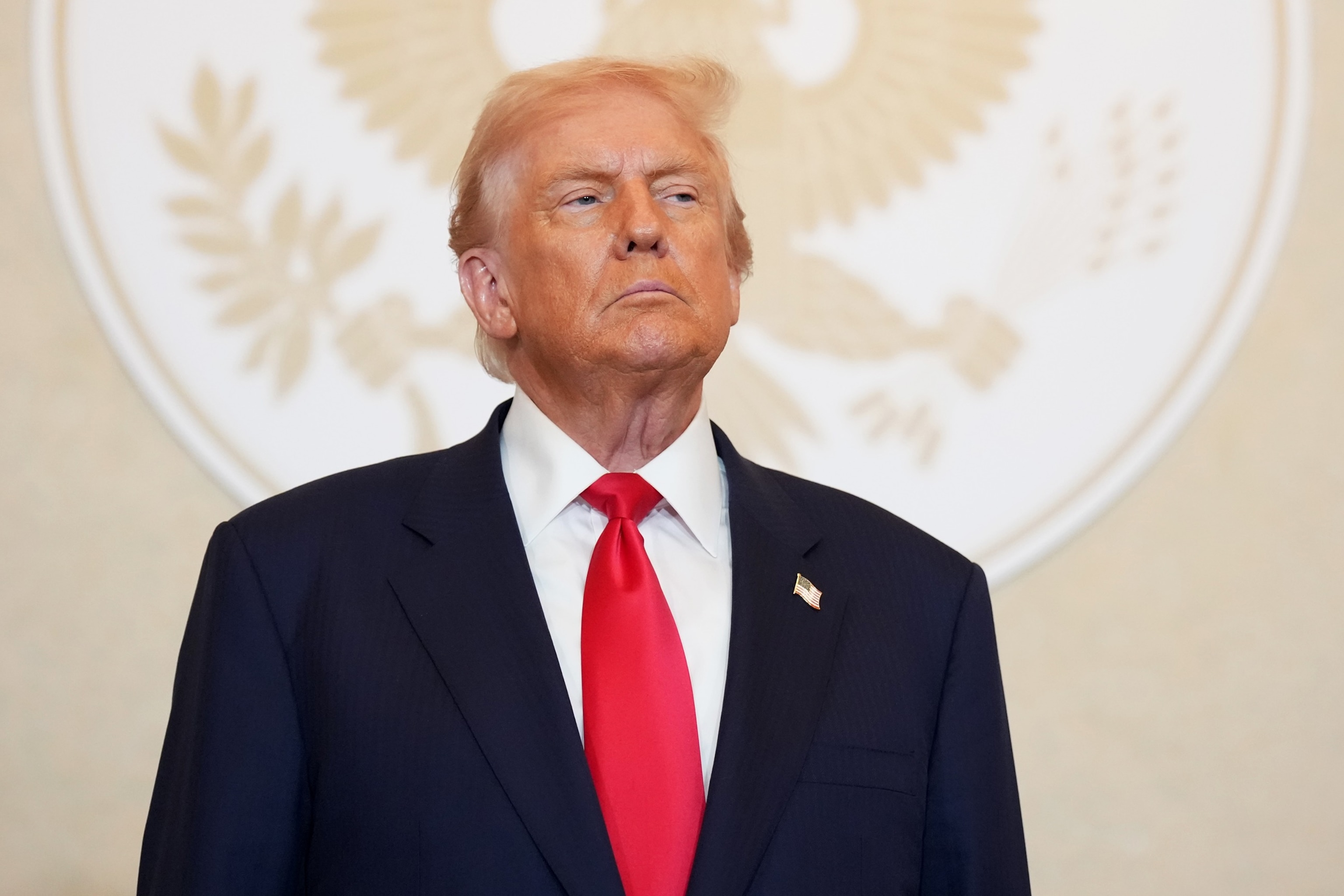
The Line Between Actor and Citizen
Actors spend their lives telling stories. But outside the screen, they are still people with beliefs, frustrations, and experiences.
Sometimes those worlds overlap.
Sometimes the person behind the roles speaks as a citizen, not a performer.
And that shift can feel surprising.
Because audiences are used to seeing characters, not opinions.
But the truth is, public figures don’t stop being human when the cameras turn off.
They still react. They still think. They still feel.
And sometimes, those feelings come forward.
A Moment That Refuses to Fade
The intensity of the moment described didn’t just disappear after the camera stopped rolling.
It stayed in conversations. It stayed in debates. It stayed in headlines.
Because moments like that carry weight.
They represent something larger than one statement.
They represent frustration. Belief. Anger. Conviction.
And whether people see them as necessary or extreme, they reflect something real.
A moment where someone chose not to soften their words.
A moment where someone chose to speak as they felt.
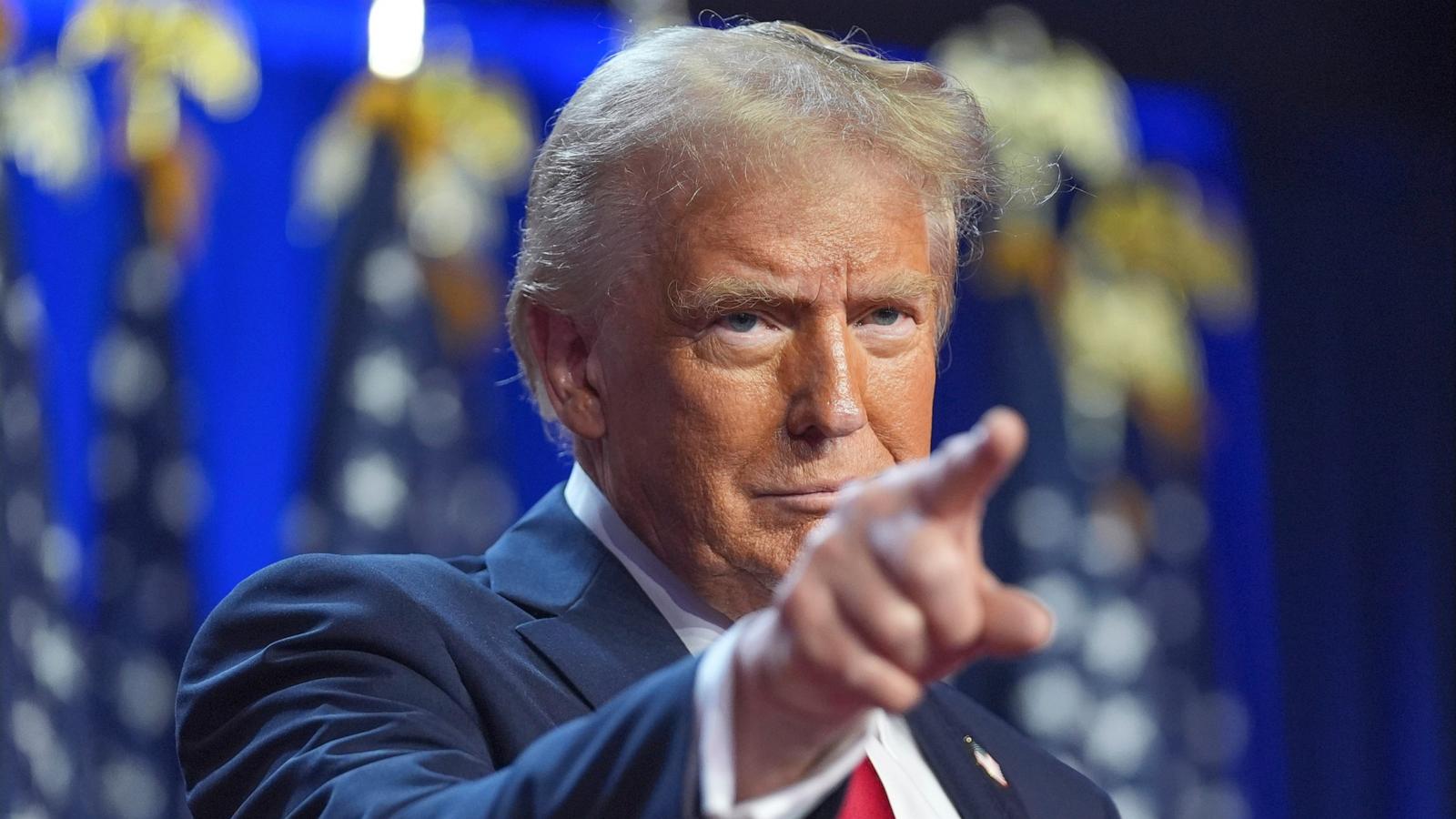
Conclusion: The Echo That Follows a Voice
In the end, the most powerful thing about moments like this is not the reaction they spark.
It’s the echo they leave behind.
The conversations that follow.
The debates that grow.
The questions that remain.
People will argue about tone. About intention. About meaning.
But what stays constant is the reminder that words still matter.
Voices still carry weight.
And sometimes, when silence feels too heavy, someone chooses to break it.
Whether the world agrees or not, that choice becomes part of the story.
And stories — especially the ones told in moments of raw honesty — have a way of lasting far longer than the moment itself.