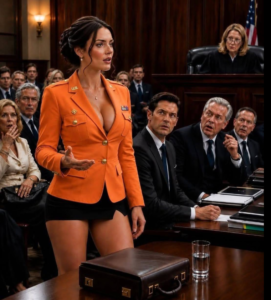
Until then, I had assumed Harold had built the scheme and Preston had participated. Now I wondered if the truth was worse. I turned to my evidence. “Your Honor, I request permission to introduce Exhibit Fifteen.”
Martin objected before I even explained it. “On what basis?” “Because it establishes beneficial ownership.” Judge Morrison allowed it. I placed the document beneath the camera. It was a trust amendment. Dated four years earlier.
Signed by Harold. Witnessed by a notary. The beneficiary designation had been changed. Preston was no longer the sole beneficiary. Someone else had been added. Someone whose name I had never expected to see.
“Who is Eleanor Carter?” Judge Morrison asked. My throat tightened. “My mother.” Preston looked at me. Vivian stared. Harold closed his eyes.
For several seconds, I couldn’t speak. My mother had died two years before. I had spent years believing she had nothing to do with Preston’s company. I had never told Preston much about her financial affairs because my mother valued privacy. But the document in front of me said her name.
My mother had been listed as a contingent beneficiary of a trust controlled by Harold Hale. It made no sense. I looked at the signature. It wasn’t hers. I knew my mother’s handwriting better than anyone alive. “That isn’t her signature,” I said. Harold said nothing.
“Your Honor, I need a moment.” Judge Morrison nodded. I sat down. My hands were suddenly cold. The case had stopped being about my marriage. It had become something personal. Something that had existed before I ever met Preston.
Martin approached Harold and whispered urgently. Harold leaned toward him. Vivian looked at me with something approaching fear. Preston stood and walked toward my table during the recess. He stopped several feet away. “I never knew about your mother.” “You expect me to believe that?” “Yes.” “Why?” “Because I didn’t know.” “Then why are you afraid?” He looked at the floor.
“Because my father has been lying to me too.” I stared at him. “How long?” “I don’t know.” “What don’t you know, Preston?” He swallowed. “Everything.”
When we were allowed back on the record, I changed strategy. I stopped treating Preston as the opposing party and started treating him as a potential witness.
“Your Honor, I would like to ask Mr. Hale a question.” Martin immediately objected. “My client is not on the witness stand.” “Then put him there.” Preston looked at Martin.
Martin shook his head. Judge Morrison said, “Counsel, your client may choose whether to testify. Mrs. Hale, you may proceed through appropriate examination if he is called.” I nodded. “Then I call Preston Hale.”
Martin objected. “This is improper.” “Overruled for purposes of this hearing,” Judge Morrison said. Preston slowly stood. He walked to the witness stand. I watched him swear to tell the truth.
For the first time in seven years, Preston was standing exactly where I wanted him: in a place where charm had no value. “Mr. Hale,” I began, “did you know your father controlled the trust that owned a majority interest in Hale Strategic Holdings?”
“Yes.” “Did you know the trust had been amended four years ago?” “No.” “Did you authorize the sale of the company for forty-one million dollars?” He hesitated.
“Yes.” “Did you disclose that proposed sale to this court?” “No.” “Why?” “Because the sale wasn’t finalized.” “That’s not what I asked.” He looked at me. “Because I thought I could negotiate it after the divorce.”
“You mean after you convinced the court your company was worth two point eight million dollars.” His face tightened. “Yes.” “Why?” He lowered his eyes. “Because I wanted to protect it.” “From whom?” He looked at his father. “My father.”
The room erupted into whispers. Judge Morrison called for silence. “Explain,” she ordered. Preston took a breath. “My father created Hale Strategic Holdings.
He gave me control publicly, but he retained control privately. Every major transaction required his approval. When the company began growing, he moved money through different entities.
I questioned him once. He told me it was how wealthy families protected assets.” “And you accepted that?” “At first.” “When did you stop?” “When I realized some of the entities weren’t legitimate.”
Harold stood. “That’s a lie.” Judge Morrison slammed her gavel. “Mr. Hale, sit down.” Preston continued. “I wanted out.” I stared at him. “So you filed for divorce because you wanted to protect the company from me?”
“Partly.” “Partly?” “My father told me that if I didn’t divorce you, he would take everything.” My voice became very quiet. “Everything meaning what?” “The company. The house. My accounts. Everything.”
“And what did he tell you about me?” Preston closed his eyes. “That you were a liability.” I felt something break inside me, but not in the way he expected. I wasn’t devastated. I was finally seeing the entire architecture of the betrayal.
“Did he tell you to accuse me of financial misconduct?” Preston nodded. “Did he give you the documents?” Another nod. “Did you know some of those documents were altered?”
Preston hesitated. “I suspected.” “But you signed them anyway.” “Yes.”
The courtroom was silent again. I walked back to my table. “No further questions.” Preston remained seated at the witness stand, looking smaller than I had ever seen him.
The real problem was that the original capital structure contained something else. A controlling interest had not belonged to Preston. It had belonged to a holding entity created before the company officially launched.
And the beneficial owner of that entity was not who anyone in the courtroom believed. “Your Honor,” I said, “I would like to submit Exhibit Twelve.” Martin immediately stood. “Objection. We have not had an opportunity to review this.”
“You had seven years to review it,” I said. “It was attached to the original incorporation documents.” Martin turned toward Preston. Preston looked away. Judge Morrison raised a hand.
“Exhibit Twelve is admitted provisionally. Mrs. Hale, explain its relevance.” I placed the document under the camera. “This is the original ownership agreement for Hale Strategic Holdings.” The judge looked at it.
“And?” “It shows that Preston Hale did not own the controlling interest.” A murmur passed through the gallery. Harold’s face became completely expressionless. “Who did?” the judge asked. I turned the page.
“Hale Family Strategic Trust.” “Who is the trustee?” “Harold Hale.” The judge paused. “And who is the beneficiary?” I looked directly at Preston. “Preston’s first answer would be himself.” Martin interrupted.
“Your Honor, the trust structure is irrelevant to the marital estate.”
“Is it?” I asked. “Then perhaps Mr. Voss can explain why millions of dollars were transferred from that trust into accounts controlled personally by Preston during our marriage.” Martin went silent. Judge Morrison looked at him. “Counsel?” He had no answer.
The judge ordered a brief recess, but before anyone could move, Harold turned toward me. “You have no idea what you’re doing.”
I stared at him. “I know exactly what I’m doing.” “You think because you wore a uniform and argued a few cases that you’re suddenly qualified to destroy a family?” His voice trembled with anger. “No,” I said. “You destroyed your family. I’m simply documenting it.” Vivian stood abruptly.
“How dare you!” She pointed toward me, her bracelet flashing beneath the lights. “You married my son for money!” The accusation would once have hurt me. That day it barely touched me. I looked at her and said, “If I married Preston for money, Vivian, I chose the worst possible investment in history.” A few people in the gallery gasped. Judge Morrison warned everyone to remain silent. Preston lowered his head.
I continued, “I supported your son when his company had no office, no reputation, and no investors. I worked on contracts after midnight. I reviewed proposals while he slept. I introduced him to people I knew from government procurement circles. I put my own savings into the company.
And when it succeeded, I never asked for recognition.” I paused. “But I also never agreed to be erased.” The judge watched me carefully. “Mrs. Hale, do you have evidence that the trust assets were transferred during the marriage?”
“Yes, Your Honor.” I removed another folder. “And this is where the case stops being about divorce.”
Preston looked up. His eyes met mine for the first time since the hearing began. There was something in them I had not seen before. Not anger. Not arrogance.
Desperation. “Amelia,” he whispered, “don’t.” I turned toward him. “Don’t what?” He shook his head. “You don’t understand.” “Then explain it.” He couldn’t. Harold leaned toward him and whispered something.
Preston looked at his father, then back at me. I watched the exchange and suddenly understood. Preston wasn’t merely afraid of losing his company. He was afraid his father would sacrifice him to protect himself.
I had seen that dynamic before in military investigations. When evidence became overwhelming, people stopped behaving like families and started behaving like suspects. Judge Morrison returned to the bench.
“We’re back on the record.” She looked at me. “Proceed.” I held up a bank statement. “During the first three years of our marriage, approximately eleven point six million dollars moved through accounts associated with Hale Strategic Holdings. Those transactions were not reported in the marital financial disclosures.” Martin stood immediately. “Objection. Those figures are gross corporate transactions.”
“Correct,” I said. “Which is why I am not claiming eleven point six million dollars belongs to the marital estate. I’m saying the transactions establish a pattern.” The judge nodded. “Continue.”
I placed another document down. “This is a transfer from a Hale Strategic account into an offshore entity registered in the British Virgin Islands.” Preston’s face tightened. “That entity was a legitimate vendor.”
“Interesting,” I said. “Because according to the corporate registry, the vendor didn’t exist until three months after the payment.” Martin objected again. “Speculation.” “Not speculation,” I replied.
“The registry documents are certified.” The judge accepted them. Then I placed another page down. “And here is the signature authorizing the transfer.” The courtroom became quiet again. It was Harold’s signature.
But this time Harold didn’t go pale. He looked at Preston. “You promised me you destroyed those.” Preston stared at him. I slowly turned my head. “Destroyed what?” Harold realized his mistake a second too late.
Martin spun toward him. “Mr. Hale, do not say anything further without counsel.”
I almost smiled. There it was. The first unguarded confession. Not enough for a conviction, perhaps, but enough to expose the existence of something worth hiding. Judge Morrison leaned forward.
Featured image URL
“Mr. Hale, I strongly advise you not to make statements concerning potential criminal conduct while represented by counsel.” Harold sat down. Vivian looked between her husband and son with growing confusion.
“What is happening?” she whispered. Preston finally turned toward her. “Mom, stop.” “What did you do?” “I said stop.” “What did your father do?” Harold snapped, “Nothing!” But his voice cracked. That one word changed everything.
The real problem was that the original capital structure contained something else. A controlling interest had not belonged to Preston. It had belonged to a holding entity created before the company officially launched.
And the beneficial owner of that entity was not who anyone in the courtroom believed. “Your Honor,” I said, “I would like to submit Exhibit Twelve.” Martin immediately stood. “Objection. We have not had an opportunity to review this.”
“You had seven years to review it,” I said. “It was attached to the original incorporation documents.” Martin turned toward Preston. Preston looked away. Judge Morrison raised a hand.
“Exhibit Twelve is admitted provisionally. Mrs. Hale, explain its relevance.” I placed the document under the camera. “This is the original ownership agreement for Hale Strategic Holdings.” The judge looked at it.
“And?” “It shows that Preston Hale did not own the controlling interest.” A murmur passed through the gallery. Harold’s face became completely expressionless. “Who did?” the judge asked. I turned the page.
“Hale Family Strategic Trust.” “Who is the trustee?” “Harold Hale.” The judge paused. “And who is the beneficiary?” I looked directly at Preston. “Preston’s first answer would be himself.” Martin interrupted.
“Your Honor, the trust structure is irrelevant to the marital estate.”
“Is it?” I asked. “Then perhaps Mr. Voss can explain why millions of dollars were transferred from that trust into accounts controlled personally by Preston during our marriage.” Martin went silent. Judge Morrison looked at him. “Counsel?” He had no answer.
The judge ordered a brief recess, but before anyone could move, Harold turned toward me. “You have no idea what you’re doing.”
I stared at him. “I know exactly what I’m doing.” “You think because you wore a uniform and argued a few cases that you’re suddenly qualified to destroy a family?” His voice trembled with anger. “No,” I said. “You destroyed your family. I’m simply documenting it.” Vivian stood abruptly.
“How dare you!” She pointed toward me, her bracelet flashing beneath the lights. “You married my son for money!” The accusation would once have hurt me. That day it barely touched me. I looked at her and said, “If I married Preston for money, Vivian, I chose the worst possible investment in history.” A few people in the gallery gasped. Judge Morrison warned everyone to remain silent. Preston lowered his head.
I continued, “I supported your son when his company had no office, no reputation, and no investors. I worked on contracts after midnight. I reviewed proposals while he slept. I introduced him to people I knew from government procurement circles. I put my own savings into the company.
And when it succeeded, I never asked for recognition.” I paused. “But I also never agreed to be erased.” The judge watched me carefully. “Mrs. Hale, do you have evidence that the trust assets were transferred during the marriage?”
“Yes, Your Honor.” I removed another folder. “And this is where the case stops being about divorce.”
Preston looked up. His eyes met mine for the first time since the hearing began. There was something in them I had not seen before. Not anger. Not arrogance.
Desperation. “Amelia,” he whispered, “don’t.” I turned toward him. “Don’t what?” He shook his head. “You don’t understand.” “Then explain it.” He couldn’t. Harold leaned toward him and whispered something.
Preston looked at his father, then back at me. I watched the exchange and suddenly understood. Preston wasn’t merely afraid of losing his company. He was afraid his father would sacrifice him to protect himself.
I had seen that dynamic before in military investigations. When evidence became overwhelming, people stopped behaving like families and started behaving like suspects. Judge Morrison returned to the bench.
“We’re back on the record.” She looked at me. “Proceed.” I held up a bank statement. “During the first three years of our marriage, approximately eleven point six million dollars moved through accounts associated with Hale Strategic Holdings. Those transactions were not reported in the marital financial disclosures.” Martin stood immediately. “Objection. Those figures are gross corporate transactions.”
“Correct,” I said. “Which is why I am not claiming eleven point six million dollars belongs to the marital estate. I’m saying the transactions establish a pattern.” The judge nodded. “Continue.”
I placed another document down. “This is a transfer from a Hale Strategic account into an offshore entity registered in the British Virgin Islands.” Preston’s face tightened. “That entity was a legitimate vendor.”
“Interesting,” I said. “Because according to the corporate registry, the vendor didn’t exist until three months after the payment.” Martin objected again. “Speculation.” “Not speculation,” I replied.
“The registry documents are certified.” The judge accepted them. Then I placed another page down. “And here is the signature authorizing the transfer.” The courtroom became quiet again. It was Harold’s signature.
But this time Harold didn’t go pale. He looked at Preston. “You promised me you destroyed those.” Preston stared at him. I slowly turned my head. “Destroyed what?” Harold realized his mistake a second too late.
Martin spun toward him. “Mr. Hale, do not say anything further without counsel.”
I almost smiled. There it was. The first unguarded confession. Not enough for a conviction, perhaps, but enough to expose the existence of something worth hiding. Judge Morrison leaned forward.
“Mr. Hale, I strongly advise you not to make statements concerning potential criminal conduct while represented by counsel.” Harold sat down. Vivian looked between her husband and son with growing confusion.
“What is happening?” she whispered. Preston finally turned toward her. “Mom, stop.” “What did you do?” “I said stop.” “What did your father do?” Harold snapped, “Nothing!” But his voice cracked. That one word changed everything.
I lifted one sheet.
“Mr. Hale, did you sign this under penalty of perjury?”
Martin stood. “Objection—”
“Sit down,” Judge Morrison said.
Preston swallowed. “Yes.”
I turned toward the judge.
Then I spoke the sentence that emptied every sound from the room.
“Your Honor, the same company my husband valued here at 2.8 million dollars was offered for sale last month at forty-one million, and the seller’s authorization carries his signature.”
Silence.
Even Martin stared at Preston.
But Harold did something stranger.
He went pale.
Because I had not discovered the sale listing by accident.
It had been emailed to me anonymously the night before.
Attached beneath it was a second document proving Preston was not the person truly controlling the company.
The signature at the bottom belonged to Harold Hale.
The courtroom remained silent for so long that I could hear the faint mechanical hum of the ventilation system above us. Preston stared at the document in my hand as if he could somehow make the ink disappear through sheer force of will. Martin Voss had stopped adjusting his tie.
Vivian’s lips were parted, her face drained of the smug confidence she had carried into the courtroom, while Harold Hale sat completely motionless beside her. A moment earlier, he had been the patriarch of the family, the man who believed every room belonged to him simply because he had enough money to buy whatever was inside it.
Now he looked like a man who had suddenly discovered that the walls around him were made of glass. Judge Rebecca Morrison leaned forward and studied the document again, then looked directly at Preston.
“Mr. Hale,” she said quietly, “would you like to explain why the sworn financial disclosure you submitted to this court values Hale Strategic Holdings at approximately two point eight million dollars while another document, apparently executed by you, authorizes negotiations for the sale of the same company at forty-one million?”
Preston opened his mouth, but nothing came out. Martin rose. “Your Honor, there may be an innocent explanation for the discrepancy.” I turned toward him.
“There is.” Martin looked at me. I smiled without warmth. “The innocent explanation is that one of the documents is false.” The judge’s eyes sharpened. “And which one?”
“That,” I said, placing another sheet on the table, “is what I would like to establish.” Preston finally found his voice. “Amelia, you have no idea what you’re talking about.” I looked at him and felt something inside me settle into complete calm.
“Actually, Preston, I know exactly what I’m talking about. I have spent the last three weeks reconstructing your company’s finances, your transfers, your ownership records, and the timeline surrounding your divorce filing.
I know more about your business today than you think your own accountants know.” Harold suddenly slammed his palm against the table. “Enough!” Everyone jumped. His voice echoed through the courtroom.
“This is a family matter.” Judge Morrison looked at him with unmistakable irritation. “Mr. Hale, this is a court proceeding. You will not dictate what is enough.” Harold lowered his voice, but the anger remained.
“She is manipulating the court.” “Then you should have no difficulty disproving her evidence,” the judge replied. “Mr. Voss, approach.” Martin walked to the bench. They spoke quietly for nearly a minute while I stood still.
I watched Preston. He wouldn’t look at me. That was when I knew the first crack had become a fracture. He wasn’t afraid of my legal knowledge. He wasn’t even afraid of losing the divorce case. He was afraid of what I knew about his father. And that meant the document in my hand was only the beginning.
I returned to my table and opened the leather briefcase again. I deliberately moved slowly. Years ago, when I served as a military attorney, I learned something most people never understand about litigation: evidence becomes more powerful when you allow the other side enough time to imagine what might come next.
Fear fills silence better than words ever can. Preston watched every movement of my hands. Vivian whispered something to him, but he shook his head. She leaned closer. “Preston, tell me what she has.” He didn’t answer.
“Preston.” “I said I don’t know.”
It was the first time I had ever heard genuine fear in his voice. I looked down at the next folder. Seven years earlier, when we had been newly married, Preston had convinced me to invest my savings into a company he claimed was going to become the foundation of our future. He had been charming then. Ambitious. Vulnerable. He told me his father didn’t believe in him and that he needed someone who did.
I had believed him. I had transferred one hundred eighty thousand dollars from my military savings into the company. But there was something he had never understood about me.
I didn’t transfer money without documentation. The investment agreement had been drafted by me personally because I didn’t trust the lawyer Preston recommended. At the time, he had laughed and called me paranoid. Now the agreement sat inside my briefcase, complete with clauses that protected me from exactly the kind of deception he had attempted. But that wasn’t what frightened Harold.